A practical, step-by-step guide to planning a stress-free birthday celebration your child will love
Planning a birthday party for your child should be exciting — not exhausting.
But between choosing the right type of party, managing the guest list, organising food, and keeping a group of energetic children entertained, it’s easy to feel overwhelmed before you’ve even sent the invitations.
This guide is here to make things easier. Whether your child wants an action-packed football party, an adventurous Nerf-style celebration, or something a little different, we’ll walk you through every step — so the kids have a great time and you actually get to enjoy the day too.
Step 1: Start With Your Child
Before diving into venue searches and decoration ideas, have a proper conversation with your child about what would make their birthday special.
At ages 6–12, children have strong opinions. Some want to run around playing football with their mates. Others dream of Nerf battles or adventure games. A few might prefer something creative, craft or low-key. Their interests should guide your choices. It is their day, after all.
Questions to ask your child:
- What’s your favourite thing to do with your friends?
- Do you want a big party or just your closest mates?
- Is there a theme or activity you’ve always wanted to try?
- What did you love (or not love) about parties you’ve been to?
Listen carefully. Sometimes what they don’t want is as useful as what they do.
Step 2: Set Your Guest List
The guest list drives every other decision: budget, venue size, food quantities, and even the type of party you can realistically host.
How Many Children to Invite
For ages 6-8: Parents often feel pressure to invite the whole class, which can mean 20-30 children. This is manageable at a venue but overwhelming at home. It’s perfectly acceptable to invite a smaller group if that works better for your family and child.
For ages 9-12: Parties naturally get smaller and more focused on close friendships. Groups of 8-15 children are typical, and the birthday child usually has strong preferences about who they want there.A useful rule of thumb: Invite roughly your child’s age plus a few extras. So for a 9-year-old, that’s around 12-15 guests. This keeps things manageable while feeling like a “proper” party.
The Class Party Dilemma
School etiquette varies, but a common approach: if you’re inviting more than half the class, consider inviting everyone to avoid hurt feelings. If it’s a smaller party with close friends only, distribute invitations discreetly outside school.
Getting Accurate Numbers
RSVPs are notoriously unreliable. Some practical tips:
- Set a clear deadline 7-10 days before the party
- Include a phone number as parents often forget to reply to paper invites
- Send a reminder to non-responders 3-4 days before deadline
- Build in a buffer: assume 2-3 more children than confirmed, as “maybes” often become “yeses” last-minute
Step 3: Set a Realistic Budget
Birthday party costs can spiral quickly if you’re not careful. Setting a clear budget early helps you make decisions faster and avoid overspending.
What Do Parties Actually Cost?
Home parties often seem cheaper at first, but the costs add up quickly. Entertainment hire, food for around 15 children, a cake, decorations, party bags, and game prizes can significantly increase the total spend.
Venue parties in Dublin typically charge per child:
- Budget options: €15-20 per child (often without food or supervision)
- Mid-range options: €20-30 per child (activities, supervision, and food included)
- Premium options: €30-50+ per child (specialist activities, smaller groups)
The real comparison: A venue charging €20 per child with food and supervision included often works out similar to or cheaper than a home party, with far less stress.
Hidden Costs to Watch For
When comparing options, ask about:
- Deposit requirements
- Whether food is included or extra
- Cost for additional children above the minimum
- Party bag options and charges
- Whether you can bring your own cake
- Parking costs
Step 4: Choose the Right Type of Party
Different party styles suit different children, group sizes, and budgets. Here’s an honest breakdown.
Home Parties
Best for: Smaller groups (under 10), families with large gardens or playrooms, parents happy to hire entertainment and manage logistics.
Pros: Complete control over timing, food, and activities. Can feel more personal. No travel for guests who live nearby.
Cons: Requires significant effort. You’re responsible for setup, entertainment, supervision, food, and cleanup. For energetic 6-12 year olds, this can be genuinely exhausting. You also can’t fully relax and enjoy watching your child.
Reality check: Home parties work well when you have help. If it’s just you managing 12+ active children, consider whether a venue might actually let you enjoy the day more.
Activity-Based Venues
Best for: Ages 6-12, groups of 10-20+, parents who want to relax on the day.
Pros: Professional supervision means you can step back. Structured activities keep children engaged. Everything is handled, including entertainment, equipment, and often food too. Children this age love having something specific to do.
Cons: Less control over timing and food choices. Party slots may be fixed length.
Popular activity party options include:
- Sports parties (football, multi-sports, bubble football)
- Adventure activities (Nerf battles, obstacle courses, climbing)
- Creative parties (art, bracelet making, science experiments)
- Trampolining or gymnastics
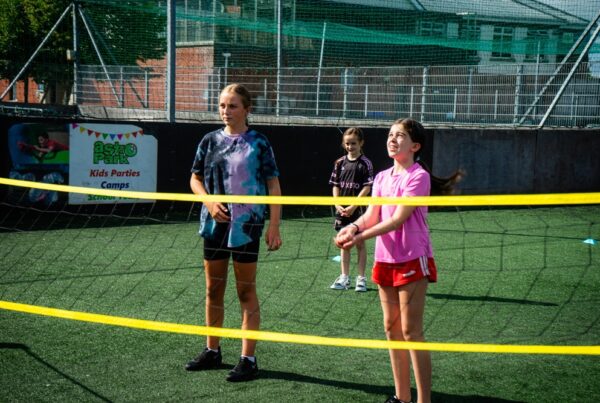
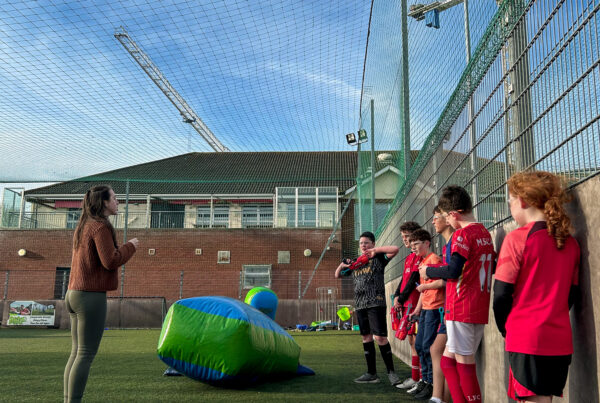
At Astropark, we specialise in structured, activity-based birthday parties for children aged 6 to 12. Families can choose from Bubble Football, Nerf AstroWars, Football Parties, or a Multi-Activity option, available at our Coolock and Tallaght venues.
By including supervision, equipment, and food in one package, we aim to make party planning simpler and less stressful, while keeping kids fully engaged and active.
Soft Play Centres
Best for: Younger children (ages 4-7), mixed age groups with toddler siblings.
Pros: Weather-proof, designed for safe active play, minimal parent involvement needed.
Cons: Can feel chaotic with multiple parties running simultaneously. Children aged 9+ often find soft play “babyish”. Limited food options.
Experience-Based Parties
Best for: Older children (9-12), smaller groups, milestone birthdays.
Options include cinema parties, escape rooms, bowling, go-karting, or cooking classes. These create memorable experiences but typically suit smaller groups and come at a higher per-child cost.
Step 5: Plan Your Activities
Whether you’re hosting at home or using a venue, thinking through the flow of activities helps everything run smoothly.
The Basic Party Structure
Most successful children’s parties follow a simple pattern:
- Arrival and settling in (10-15 minutes): Guests arrive at different times; have something low-key for early arrivals
- Main activities (45-60 minutes): The core entertainment, ideally supervised
- Food time (20-30 minutes): Refuelling and a breather
- Cake and singing (5-10 minutes): The big moment
- Final activity or free play (15-20 minutes): While waiting for pickup
- Departure and party bags (10-15 minutes)
Activity Ideas for Ages 6-12
High-energy activities (ideal for burning off excitement):
- Football, rounders, or relay races
- Obstacle courses
- Bubble football
- Nerf battles or capture-the-flag style games
- Dance competitions or musical games
Team games:
- Treasure hunts with clues
- Scavenger hunts
- Team sports tournaments
- Quiz competitions
Lower-key options:
- Craft activities
- Science experiments
- Cooking or baking
- Movie screening with popcorn
How Many Activities Do You Need?
Less than you think. It’s better to have 2-3 activities that run well than 6 rushed ones. Be ready to extend what’s popular and cut what isn’t.
If you are using a venue with organised activities, they will handle this entirely. That is one of the biggest advantages, as experienced party hosts know exactly how to pace things and adjust on the fly.
Step 6: Sort the Food (Keep It Simple)
Children at parties eat quickly between activities, and elaborate food often goes to waste. Familiar, easy-to-eat options work best — especially when kids are eager to get back to playing.
What Children Actually Eat
Stick to finger food that’s easy to serve and eat:
- Mini sandwiches (simple fillings only)
- Pizza slices
- Sausage rolls or cocktail sausages
- Chicken nuggets or goujons
- Chips
- Vegetable sticks with dip (some will be eaten!)
- Crisps
- Fruit
Avoid anything messy, complicated to serve, or requiring utensils. Paper plates and napkins make cleanup easier.
Dietary Requirements
Always ask about allergies and dietary needs on your invitation. Common requirements include nut allergies, coeliac disease (gluten-free), vegetarian/vegan diets, and dairy intolerance. Pass this information to your venue or factor it into your planning.
The Venue Food Advantage
Most party venues offer food packages, and they’re usually worth it. The food arrives fresh and on time with no transport, setup, or heating logistics for you to manage. Portions are calibrated for children, and dietary requirements can usually be handled with advance notice.
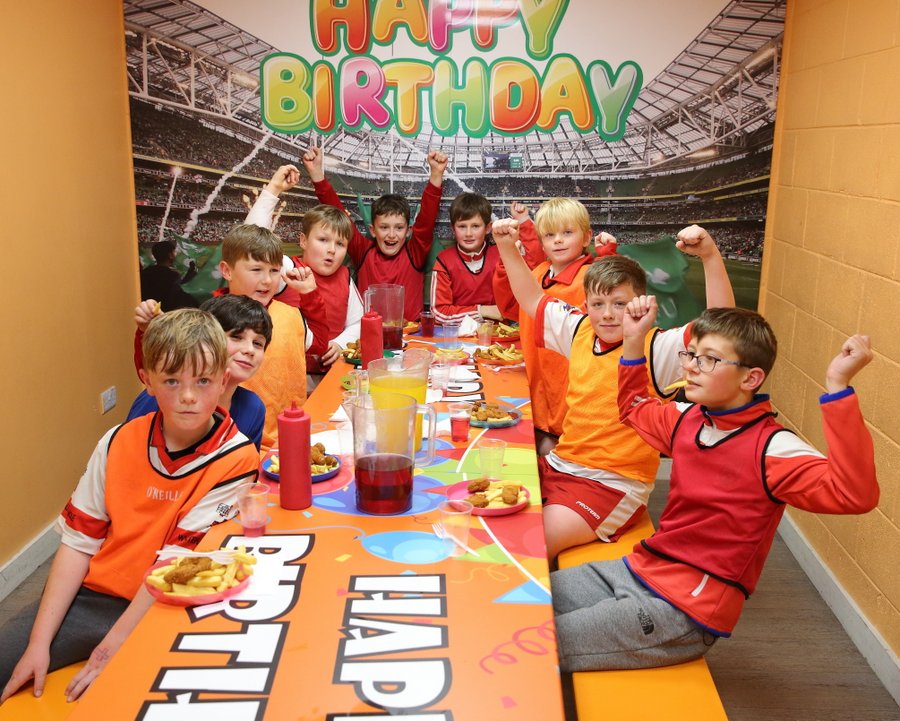
At Astropark, we include hot food in all of our party packages: sausages, chicken nuggets, chips, and a drink per child. It’s classic party food that kids actually eat, served in a dedicated party room.
Birthday Cake
Most venues allow you to bring your own cake. Check whether they provide plates, napkins, and candles, or whether you need to bring these yourself.
Budget options: supermarket cakes have improved significantly, and many now look impressive and taste good. Home baking is economical if you have the time and skill.
For the cake moment, keep it simple: gather everyone, dim lights if possible, light candles, sing, let your child blow them out, take photos. Don’t overcomplicate it.
Step 7: Handle the Weather (If Outdoors)
Weather is one of the biggest worries for parents planning parties in Ireland, particularly when looking at outdoor options. Whether you’re hosting a garden party or booking an outdoor venue, having a weather plan in place is essential.
The Backup Plan Question
Pure outdoor parties (parks, gardens) without shelter are risky. Weather can change quickly, and a sudden downpour with nowhere to shelter ruins things fast. If weather is a concern, here are some options to consider:
Indoor venues: These are weather-proof by default, although children may have less space to run around and burn off energy.
All-weather outdoor venues: Often the best balance between space and reliability. Look for venues with artificial turf or surfaces that do not turn muddy, sheltered areas for food and breaks, and clear rescheduling policies if conditions are particularly poor. In many cases, kids are already used to playing outdoors in light rain, so a bit of drizzle usually won’t stop the fun.
Home with a marquee or gazebo: This keeps the outdoor feel while providing shelter, but it does add extra cost, setup time, and logistics for parents to manage.
Choosing a venue that is designed to operate in all conditions can remove a lot of stress from planning and give you peace of mind well before the party day arrives.
Communicating with Parents
If your party is outdoors, clear communication with parents makes a big difference. We recommend:
- Suggesting appropriate clothing, such as trainers instead of good shoes, and layers if it’s cold
- Mentioning rain gear just in case
- Reassuring parents that the venue operates in all weather conditions, where applicable
- Clearly explaining any contingency or rescheduling options
At Astropark, our parties run rain or shine on all-weather pitches designed for outdoor play. Children are generally happy to keep playing even in light rain, and for many, it simply becomes part of the fun. If you would prefer not to go ahead due to the weather, we offer flexible rescheduling with 24 hours’ notice.
Step 8: Create Your Party Timeline
A clear timeline keeps things running smoothly and prevents “what do we do now?” panic.
If Celebrating At Home – Build In Flexibility
Things rarely run exactly to schedule. Build in buffer time, and be ready to extend what’s working or cut what isn’t. The best party hosts read the room and adapt.
If Using a Venue
Most venues run to a set schedule with experienced party hosts managing timing. This is genuinely one of the biggest stress-relievers. You don’t have to watch the clock or decide when to move activities along.
Step 9: Party Bags
Party bags are optional, but many parents choose to include a small takeaway as a thank-you to guests. If you do decide to have them, keeping things simple usually works best.
There’s no need to overthink party bags. A few well-chosen items are more than enough, especially when children have already had a fun, activity-filled party.
Common approaches include:
Simple option: A small bag with a few sweets and one small item.
Practical option: One decent-quality item, such as a small book, craft kit, or useful toy, instead of several inexpensive plastic items.
No party bag: Also a valid choice, particularly for older children. Some families prefer to skip party bags altogether or opt for a shared alternative, such as donating leftover sweets or toys.
As a general guideline, many parents aim to spend around €3–€5 per bag, but this is entirely optional.
Party Bag Items That Usually Work Well
- Small packets of sweets or chocolate
- Bubbles
- Stickers or temporary tattoos
- Small notebooks and pencils
- Bouncy balls
Avoid: Anything noisy (parents will thank you), cheap plastic toys that break immediately, anything with lots of small parts.
Step 10: Invitations and RSVPs
Paper vs Digital Invitations
Paper invitations: Children love receiving them. They’re tangible reminders for parents. Good for school distribution.
Digital invitations: Easier to track RSVPs. Free or cheap. Better for parents who lose paper.
Many parents now use both—paper invitations handed out, followed by a WhatsApp message to parents with details and RSVP request.
At Astropark we offer a digital invite to send to guests and you can download it here.
What to Include on Invitations
- Child’s name and age
- Date, time, and location
- Full address and parking information
- RSVP deadline and contact method
- Any special information (outdoor party, bring trainers, etc.)
- Allergy/dietary question
Chasing RSVPs
It’s not rude to follow up. A friendly “just checking if [child] can make it to the party—trying to confirm numbers” is completely normal. Most non-responses are forgetfulness, not rudeness.
To make planning even easier, we’ve created a complete birthday party planning checklist covering everything from timelines and guest lists to food, party bags, and day-of essentials. It’s designed to help you stay organised and reduce last-minute stress, whether you’re hosting at home or booking a venue.
You can download the checklist below and use it as a simple step-by-step guide while planning your child’s birthday party.
Kids Party Planning Checklist
To make planning even easier, we’ve created a complete birthday party planning checklist covering everything from timelines and guest lists to food, party bags, and day-of essentials. It’s designed to help you stay organised and reduce last-minute stress, whether you’re hosting at home or booking a venue.
You can download the brochure below where you will find a checklist and use it as a simple step-by-step guide while planning your child’s birthday party.
Final Thoughts
Here’s what experienced parents know: the best birthday parties aren’t the most expensive or elaborate. They’re the ones where the birthday child feels special, their friends have genuine fun, and—crucially—you’re not stressed out of your mind.
If there’s one piece of advice worth taking, it’s this: don’t try to do everything yourself. Whether that means hiring entertainment for a home party or choosing a venue that handles activities, food, and supervision, the investment in help pays off in your ability to actually enjoy your child’s special day.
You’ve got one job at the party: be present, take photos, and celebrate your child. Everything else can be delegated.
Happy planning!
Kids’ Birthday Parties at Astropark
If you’re looking for an active, outdoor birthday party for children aged 6 to 12 in Dublin, at Astropark we offer four structured party options across our two venues in Coolock and Tallaght.
Our Party Options
Bubble Football Parties: Children play football inside giant inflatable bubbles, with plenty of bouncing, rolling, and laughter throughout the session.
Nerf AstroWars Parties: Team-based Nerf games with organised challenges and friendly competition, all led by our trained party staff.
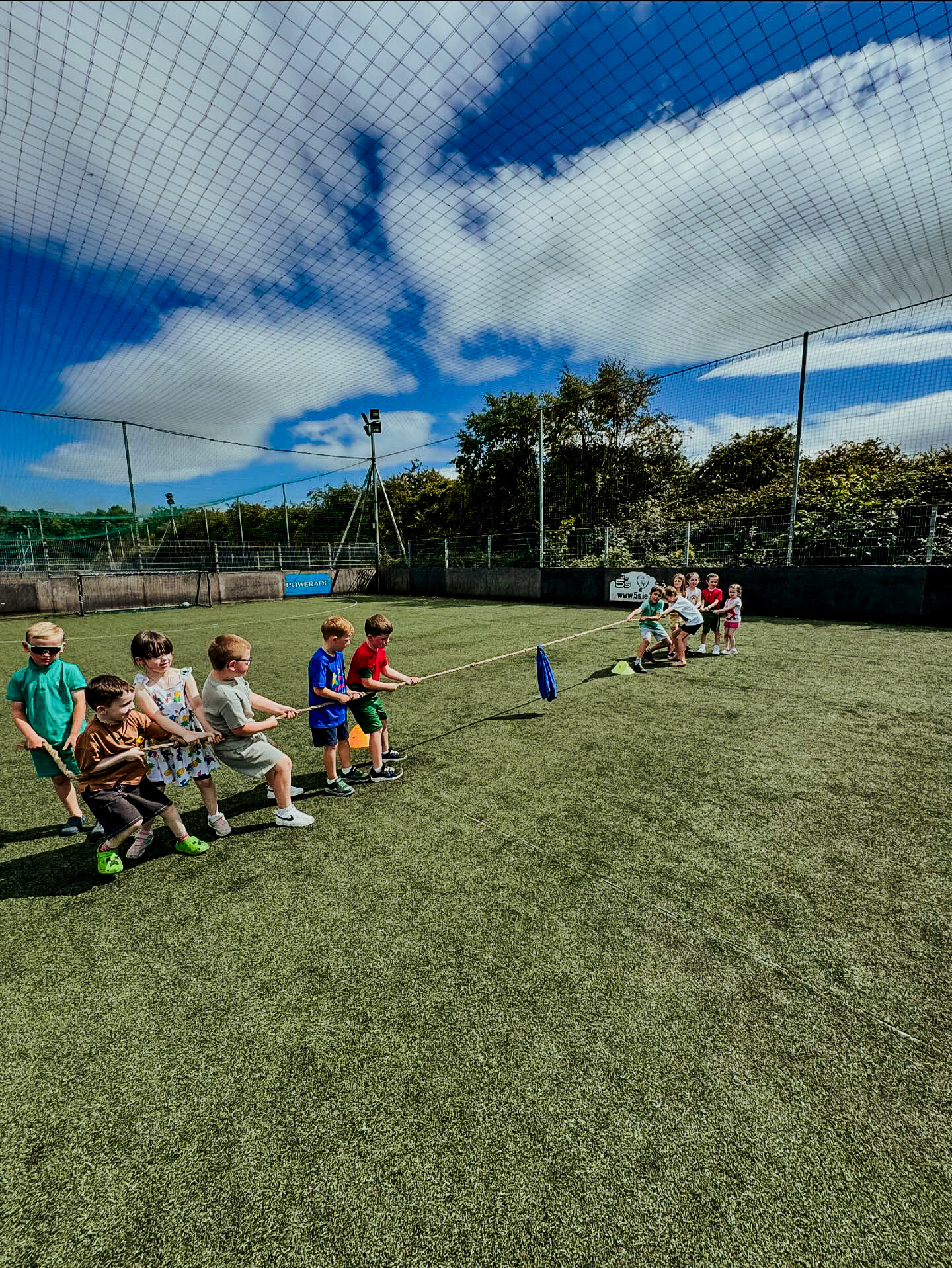
Football Parties: Classic football fun on our all-weather astro pitches, ideal for children who love to stay active and play as a team.
Multi-Activity Parties: A mix of games and challenges, designed to suit groups with different interests and energy levels

All of our parties include:
- A 2-hour party slot
- 1 hour of supervised activities led by trained party leaders
- A dedicated party room for food and cake
- Hot food including sausages, chicken nuggets, chips, and a drink per child
- All equipment provided
- Free on-site parking
Cost: Only €20 per child (minimum 12 kids per party). A €120 deposit secures the booking, with the remaining balance paid on the day.
When: Parties run on Saturdays and Sundays between 11am and 4pm.
Where: We host kids parties across two Dublin locations, in Coolock and Tallaght:
- Coolock: Oscar Traynor Road, D17 Y998. Phone: (01) 806 0088
- Tallaght: Greenhills Road, D24 KPN8. Phone: (01) 459 9822
Our parties run year-round on all-weather pitches. If you would prefer not to go ahead due to weather conditions, we offer flexible rescheduling with 24 hours’ notice.
You can find more details and book a party at https://www.astropark.ie/kids/parties/